



From playdates to deadlines: finding balance as a parent.
From playdates to deadlines: finding balance as a parent
We’ve all been there: you’re trying to get a bite of yogurt into your kid’s mouth, logging into a Teams call, hunting for a missing sock, when your partner casually asks, “What’s for dinner tonight?” (Deep sigh). Parenthood often feels like a full-time job on top of your full-time job. So how do we keep all those plates spinning without collapsing? We asked orthopedagogue and mum Loes Waanders about the pressure, the double standards, and - most importantly - how to find a little more calm and balance in the everyday chaos.
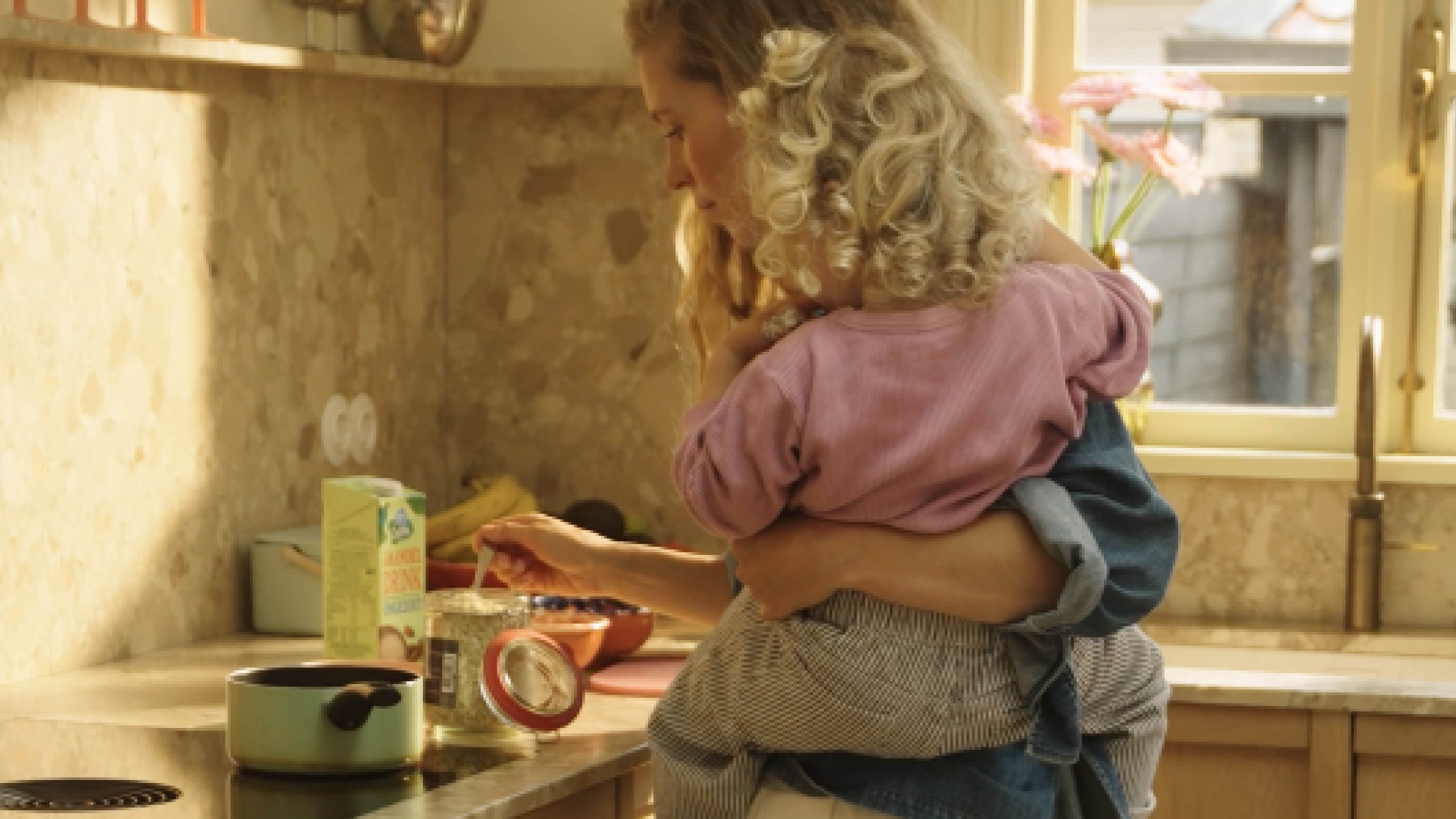
First things first: where does the pressure come from?
According to Loes, there isn’t one single cause, but rather a cocktail of factors. We work more than previous generations, while the support of grandparents, neighbours or a wider community has faded. Families are left to figure it out alone, often with expensive or limited childcare. In some countries, parental leave is quite short compared to others, which means families are thrown back into the rat race before they’re ready.
And then there’s the power of social media. We see the best five percent of someone else’s life and forget the mess behind the scenes. Rationally we know there are sleepless nights and tears, but emotionally it still feels like we’re falling short. Add to that the constant FOMO: sometimes a career opportunity, other times a festival or social invite, and you’ve got parents trying to be everywhere, when that’s simply impossible. The result? Doing more, with less support. No wonder parents feel stretched thin.

A mum who cuts back is seen as unambitious, while a dad who does so is applauded for his dedication.
Internal vs external expectations
Loes explains that the expectations we set for ourselves are often a mirror of what society projects onto us. Our “inner blueprint” is shaped by upbringing, culture and workplace norms. But that blueprint doesn’t always match what you find important deep down. Take work, for example. A mum who cuts back is seen as unambitious, while a dad who does so is applauded for his dedication. If a mum works full-time, she risks being judged as cold or distant; a dad working full-time is simply fulfilling his role as a good provider. No wonder so many mothers feel they’re constantly falling short. Fathers, meanwhile, often want to take on more caregiving, but struggle to find the support or acceptance at work to actually do so.
Loes' personal wake up call
When her eldest was six months old, Loes and her family moved to Sweden. There, she saw how different parenthood can be. Parents share 480 days of leave between them, regardless of gender. It’s completely normal to both work and care, and childcare is high quality. Children get warm meals, see the same familiar faces each day, and parents often use leave flexibly to pick their kids up earlier.
Looking back, Loes realised how much culture defines what we see as “normal”. Her biggest takeaway? Choose what gives you energy. What works perfectly for another parent might not suit you at all - and that’s okay.
The power of community
We may live more independently these days, but parenting was never meant to be done alone. Sometimes all it takes is telling a colleague at the coffee machine that your baby kept you up all night, or venting to a friend who simply listens. That tiny bit of recognition and support can make all the difference.
Loes stresses that social support is a proven buffer against stress. And not just online - perhaps especially not online. Real-life chats, a friend babysitting for an afternoon, or a neighbour stepping in can provide exactly the safety net parents need.
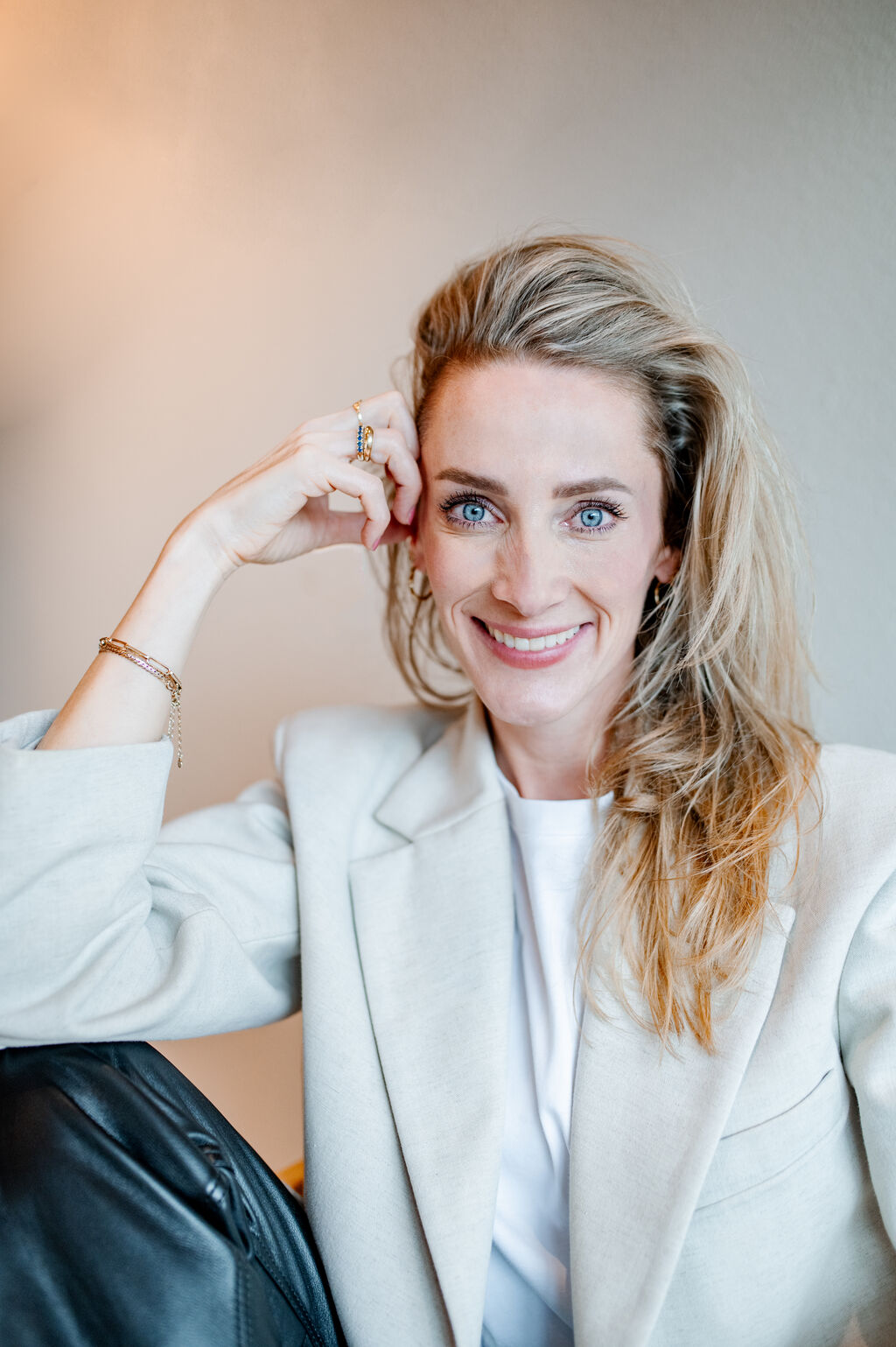
You don’t have to pretend it’s easy – because it’s not.
But you can soften your inner voice by talking to yourself the way you’d talk to your best friend. Instead of: “I’m failing everywhere,” try: “It’s tough that I feel short on time, but I’m doing my best. And that’s enough.”
What really needs to change
If Loes could make one systemic change, it would be longer and more equal parental leave, funded by the government. The benefits are huge: less stressed parents, calmer and more connected children, and employers who retain loyal staff instead of burning them out. It gives women better chances to grow in their careers and creates a fairer division of care at home.
She also points out the role of employers. Too often the mindset is, “sort it out at home.” Meanwhile, nearly half of parents admit they’re struggling but don’t dare to speak up, afraid it will hurt their career. A culture of openness and real support at work could change so much.
The golden reminder
Many parents feel like they’re not measuring up. The trick, says Loes, is kindness. You don’t have to pretend it’s easy - because it’s not. But you can soften your inner voice by talking to yourself the way you’d talk to your best friend. Instead of: “I’m failing everywhere,” try: “It’s tough that I feel short on time, but I’m doing my best. And that’s enough.” You’re the only one who hears that inner voice all day long, so make sure it’s on your side.
Finding balance as a parent isn’t a finish line. It’s more like a wobbly tightrope walk, sometimes with mismatched socks and a teddy bear under your arm. But one thing’s for sure: perfection doesn’t exist, connection does.
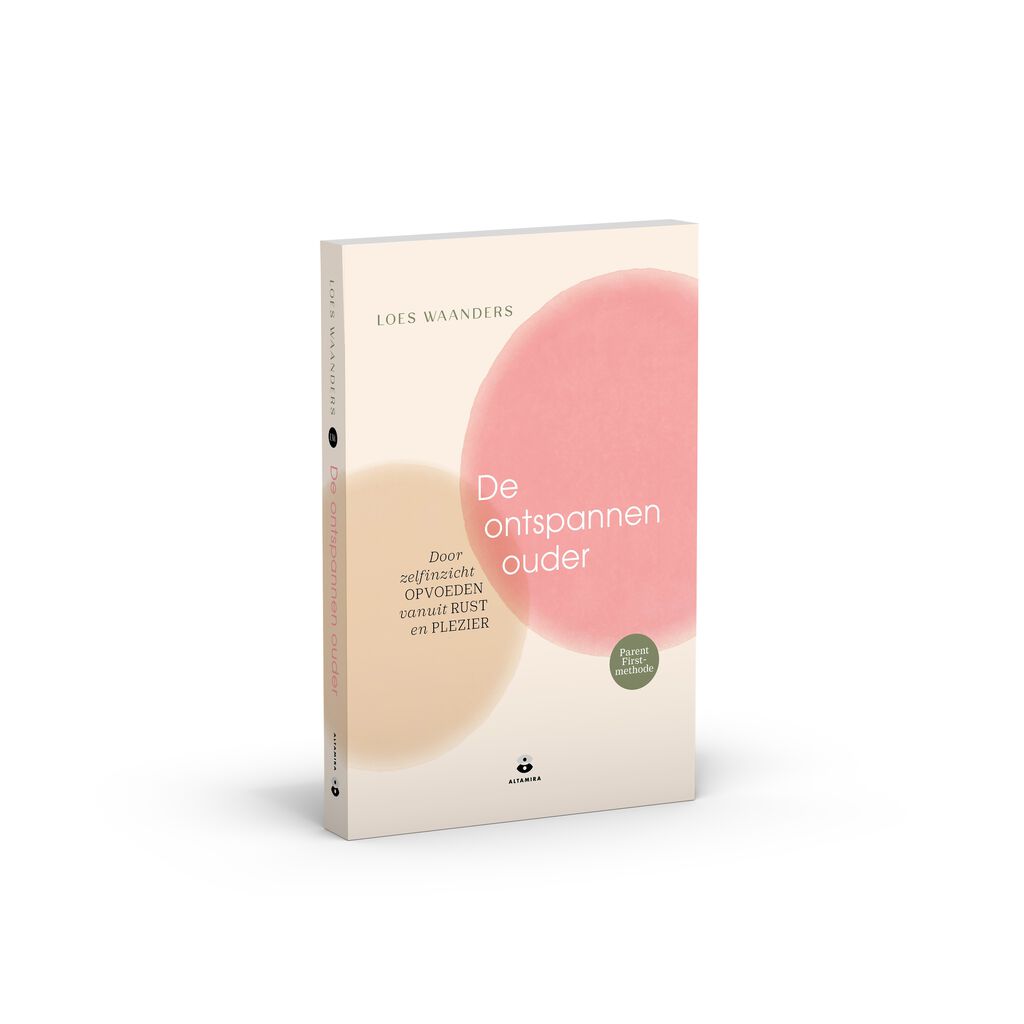
Want to read more from Loes?
Check out her book The Relaxed Parent, her website loeswaanders.com or follow her on Instagram @loeswaanders_parentfirst.
And of course, keep an eye on our Parent Hideout for tips, recognition and a community that gets what parenthood is really like.
